
Florence Attractions Tickets
Florence tickets work on timed entry at nearly every major venue, and the most requested dates sell out before many visitors reach the city. Booking online in advance secures a slot at the Uffizi Gallery, the Accademia Gallery and the climb up Brunelleschi's Dome, the three sights where queues run longest. The tickets for Florence's main attractions, and the rules behind them, appear here.
Choose your pass to the Duomo of Florence
Book your visit to the Uffizi Gallery
See Michelangelo's David at the Accademia Gallery
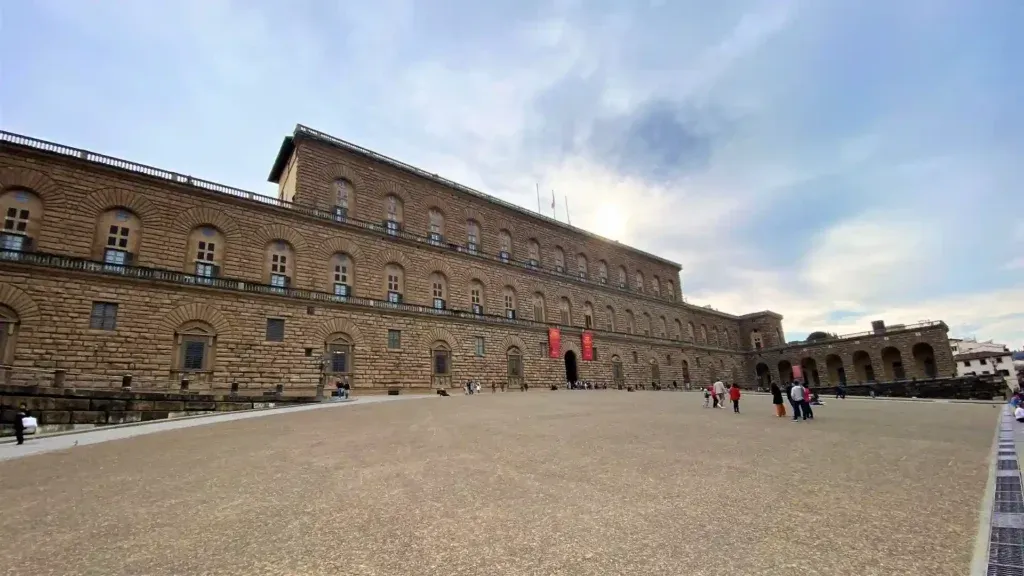
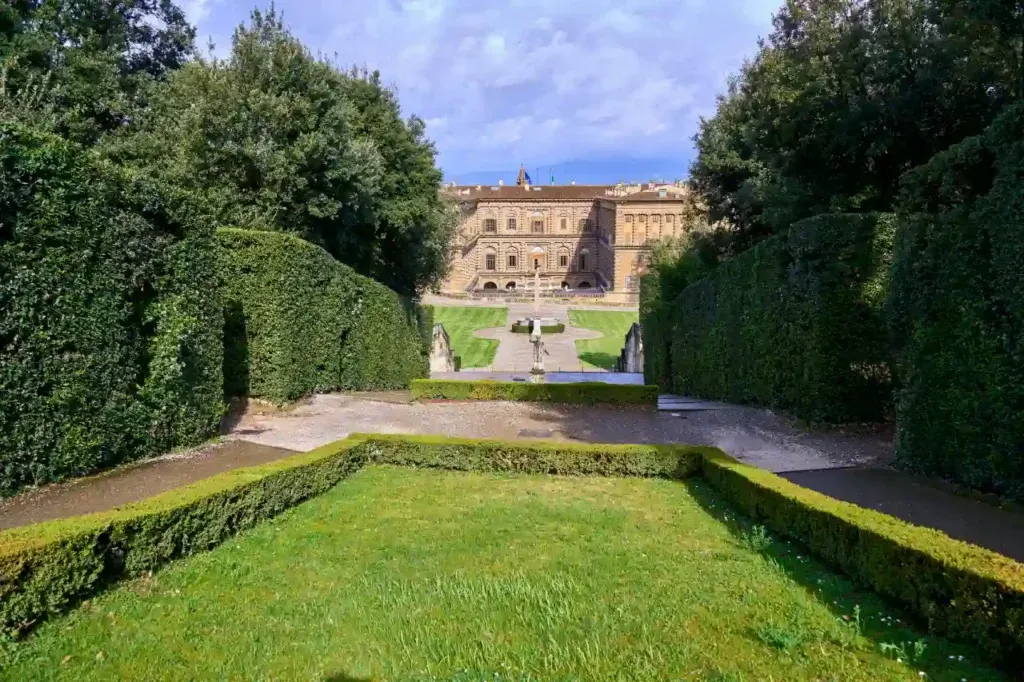
Discover Pitti Palace and the Boboli Gardens
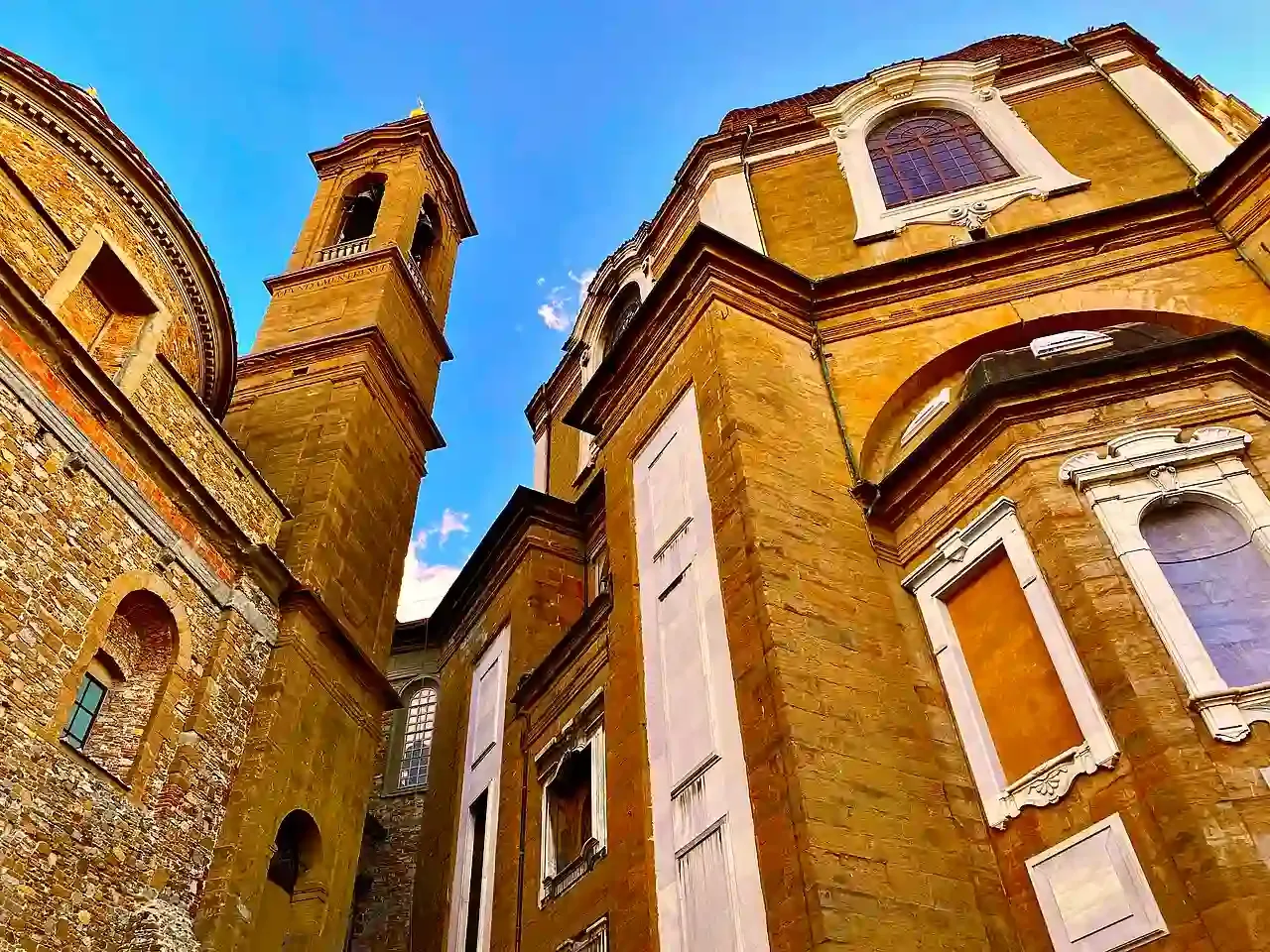
Step inside the Medici Chapel
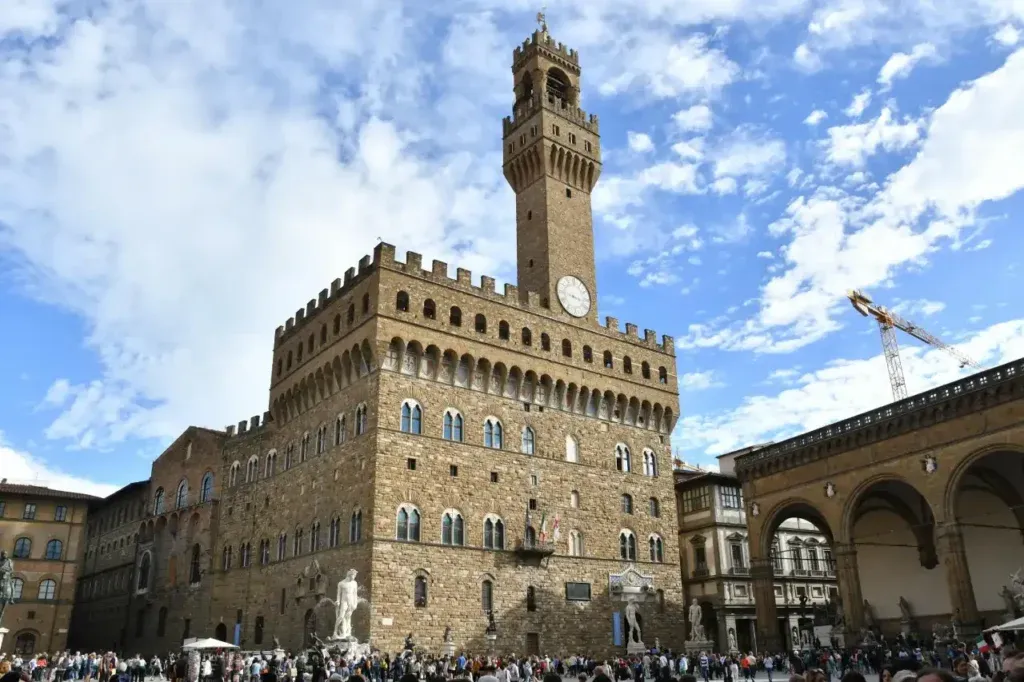
Explore Palazzo Vecchio
What can you see at Florence's top attractions?
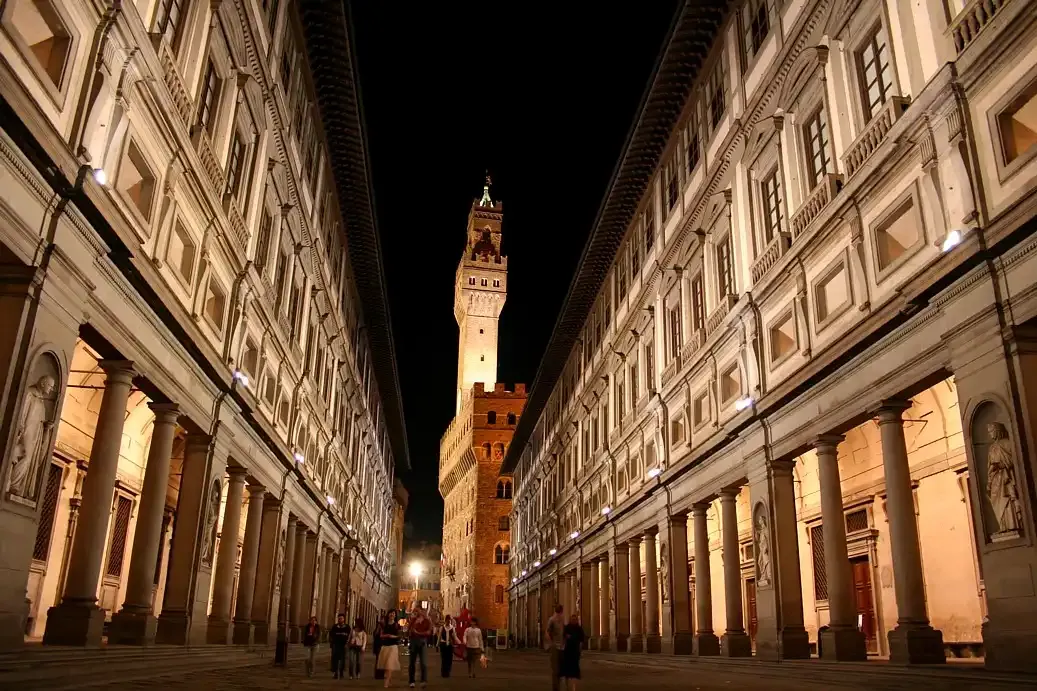
Uffizi Gallery
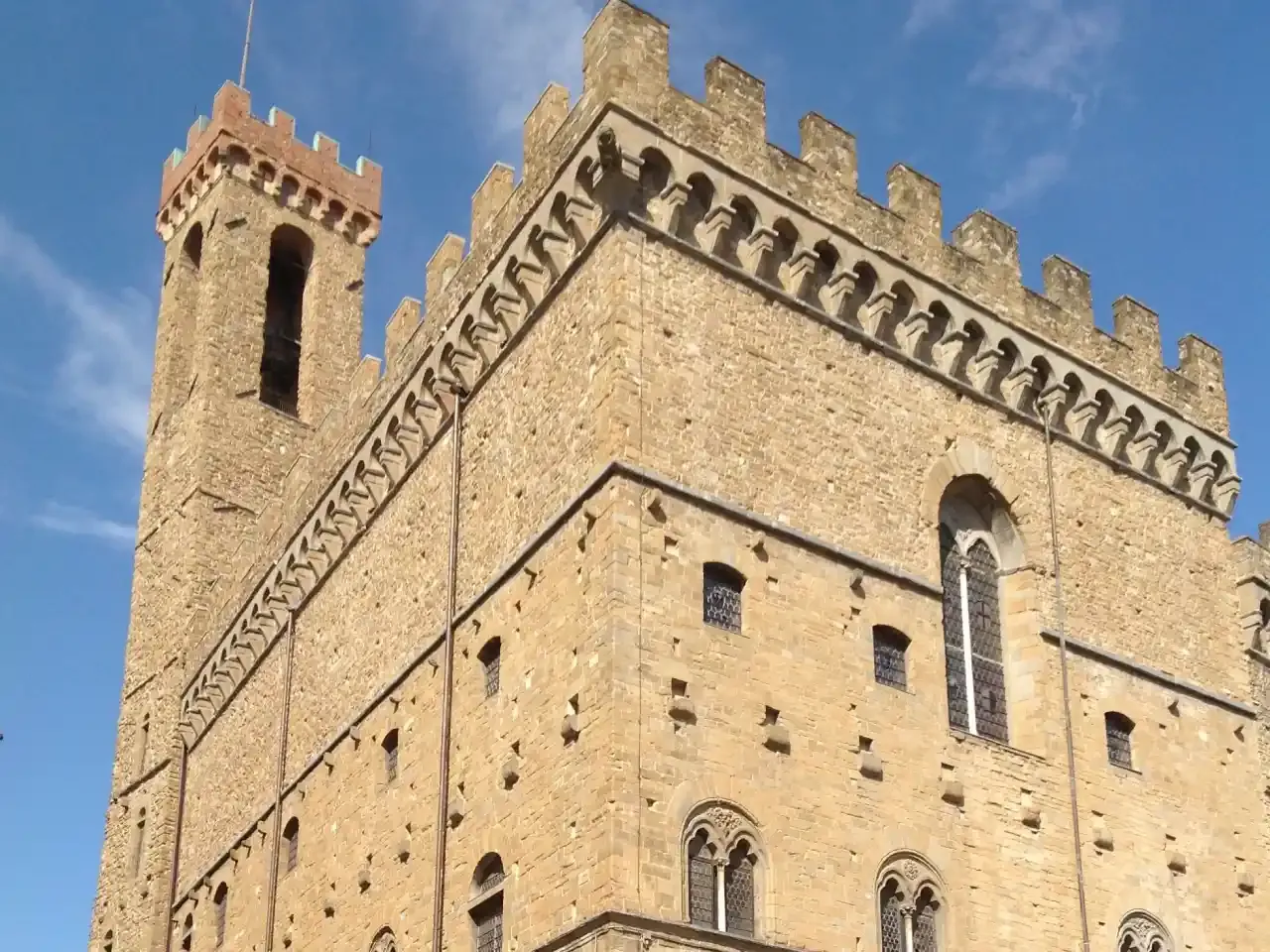
The Uffizi Gallery holds one of the world's great collections of Renaissance painting, hung across the two upper floors of the building Giorgio Vasari designed for the Medici between 1560 and 1580. Botticelli's Birth of Venus and Spring share the route with Leonardo da Vinci's Annunciation, Michelangelo's Doni Tondo, Caravaggio's Bacchus and Piero della Francesca's double portrait of the Duke and Duchess of Urbino, while ancient Roman sculptures gathered by the family line the corridors. Entry runs on timed slots, every ticket carries the visitor's name and gets checked against an identity document, and the most popular dates fill days or weeks ahead in high season. Uffizi Gallery tickets cover the full permanent collection with a reserved time slot. The gallery closes every Monday, on 1 January and on 25 December, so itineraries built around a weekend visit avoid the most common planning mistake in the city.
Photo: “Uffizi Gallery, Florence” by Bryan.
General information for visitors
A few practical rules shape every visit to Florence's ticketed attractions:
- Advance booking decides the trip in high season. From Easter through September the Uffizi and the Accademia fill their timed slots days or weeks ahead, so reserving online as soon as dates are fixed beats any on-site strategy.
- Mondays are the trap day of the city. The Uffizi, the Accademia, Pitti Palace and the Medici Chapels close every Monday, and the Boboli Gardens close on the first and last Monday of each month, which leaves the Duomo complex and Palazzo Vecchio as the natural Monday programme.
- The cathedral follows a worship calendar rather than a museum one. Santa Maria del Fiore admits sightseers from Monday to Saturday only, the Opera del Duomo Museum closes on the first Tuesday of each month, and the whole Duomo complex shuts on 25 December, 1 January and Easter Sunday.
- State museums open free of charge on the first Sunday of every month, and in 2026 also on 25 April, 2 June and 4 November. On those days no reservations are possible, visitors queue at the entrance, and crowds peak, so the free Sunday suits flexible travelers more than tight itineraries.
- Several visitor categories pay less or nothing. Visitors under 18 enter the state museums free with an identity document, EU citizens aged 18 to 25 qualify for reduced admission, and visitors with disabilities enter free together with one companion. Palazzo Vecchio, as a civic museum, grants free entry up to age 17 and keeps its own reduced tier.
- Religious sites enforce a dress code. The cathedral and the Baptistery refuse entry with bare shoulders, legs uncovered above the knee or flip-flops, and hats come off inside the cathedral. Jeans pose no problem anywhere.
- Bag rules are strict at the major venues. The Uffizi requires backpacks, umbrellas and bulky items to be left in its cloakroom, and the dome and bell tower climbs are only possible after depositing medium and large bags at the storage point at Piazza Duomo 38/r.
- Timed tickets bind visitors to their slot. The dome climb cannot be rescheduled or cancelled once booked, punctuality is checked at the entrance, and arriving about ten minutes early is the safe habit at every timed venue.
- Identity checks are now standard. Tickets for the Uffizi Gallery and Accademia Gallery, including options like Uffizi and Accademia Combo Tickets, are issued in the visitor's name, and reduced or free tiers require a matching document at the gate.
News about Florence
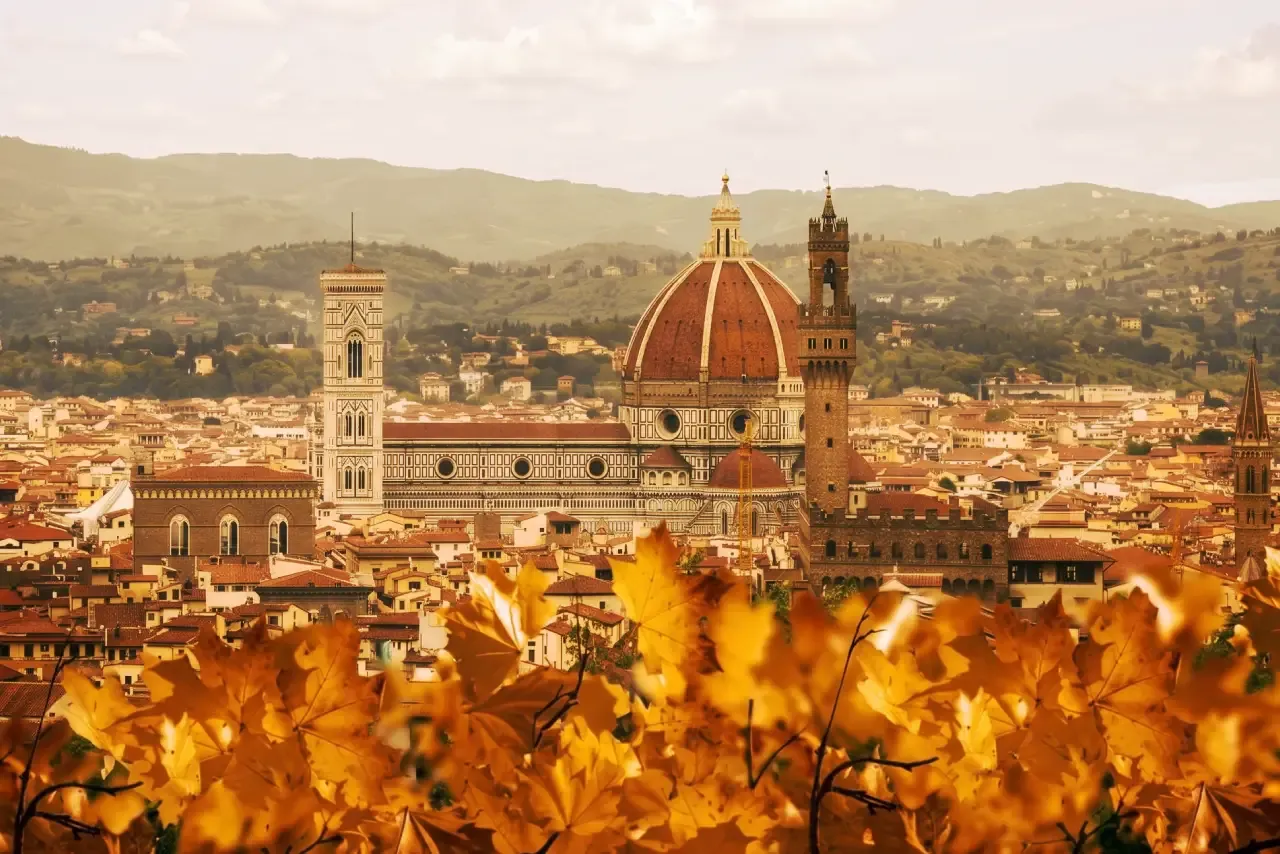
Organized by the Florence City Council, the Autunno Fiorentino 2026 festival runs from October 1 to October 31, 2026. Designed to decentralize culture across peripheral neighborhoods, the event spans all five municipal districts (Quartieri 1–5) with a rich lineup of theater, live music, circus arts, and educational workshops.
Held in community centers, local theaters, libraries, and public parks, the festival features a packed daily program for residents and travelers alike. Many events offer free entry or nominal admission fees, though indoor performances often require advance email reservations tailored to each specific organizer. Florence’s public transit easily connects the historical center to every peripheral venue throughout October.