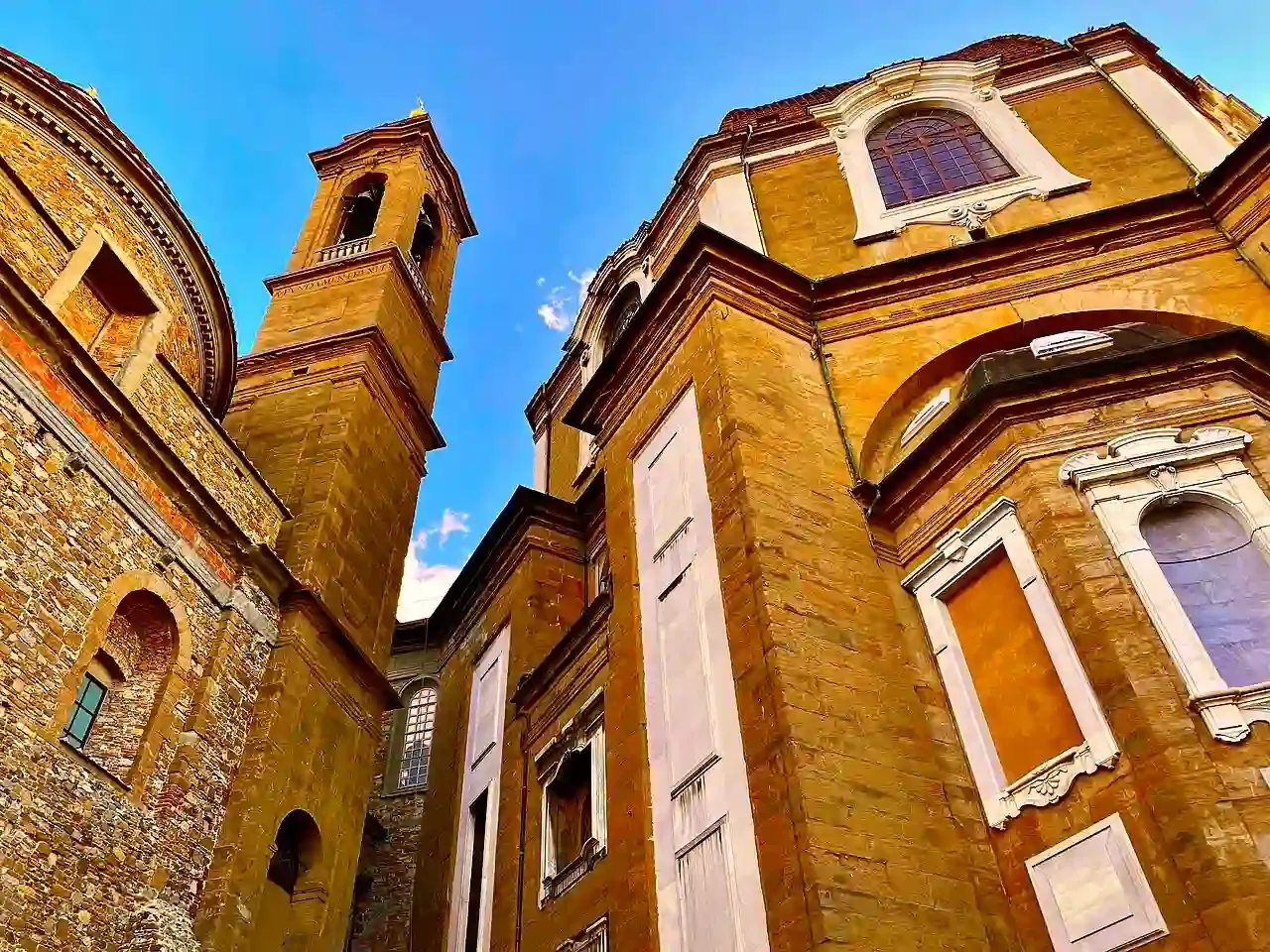
Boboli Gardens in winter: Operating hours change starting November 1
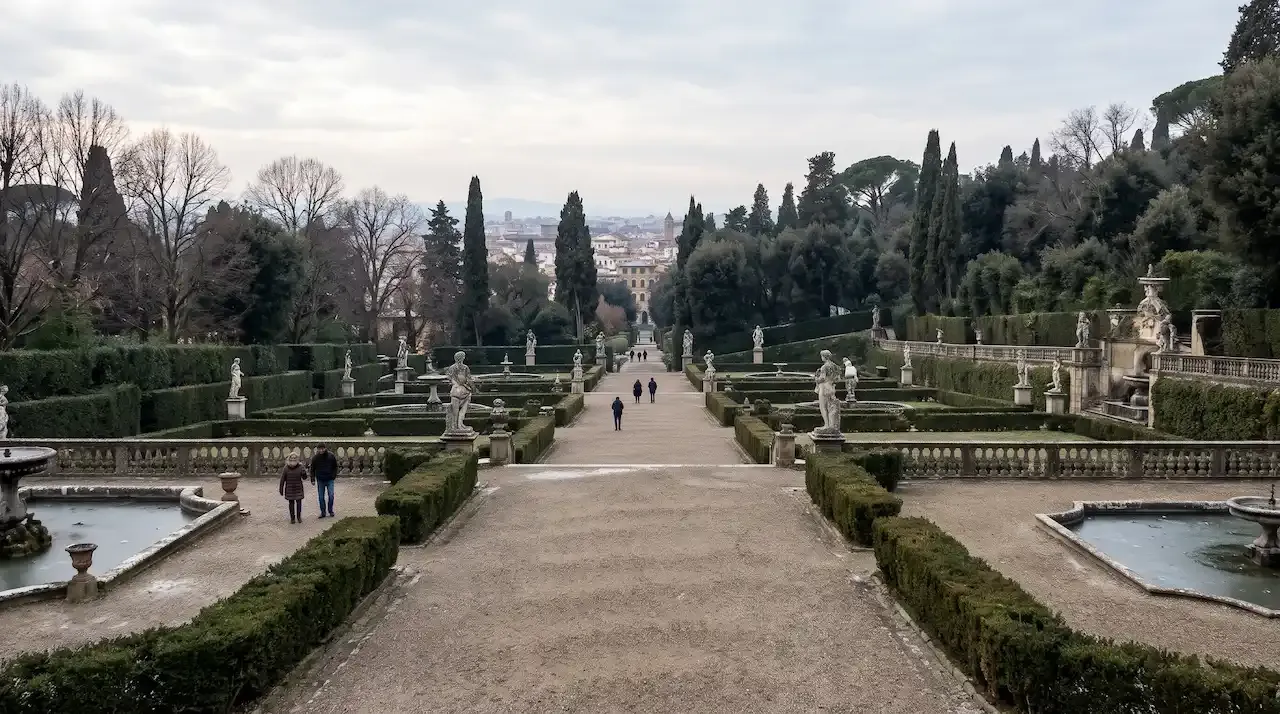
Starting November 1, the Boboli Gardens in winter transition to their seasonal operating schedule, providing access to the monumental grounds of the Pitti Palace without the crowds of peak travel months. The museum administration enforces the official winter timetable from this date forward, shortening daily opening hours across the entire estate.
Despite the reduced schedule, a visit during this period remains worthwhile. As one visitor noted on Reddit: “I was there in November and it was splendid and quiet; the view of Florence is beautiful.” The Renaissance design relies on stone architecture, evergreen holm oaks, and clipped boxwood hedges rather than seasonal flower beds, maintaining the structural layout of the park throughout the cold months.
Book your tickets to visit the Boboli Gardens
Boboli Gardens winter schedule and operating hours
The timetable for the Boboli Gardens in winter begins on November 1 and runs through the end of February:
| Information | Hours |
|---|---|
| Opening time | 08:15 |
| Closing time | 16:30 |
| Last admission | 15:30 |
| Closures | The first and last Monday of each month, and December 25. |
Visitors must enter at least one hour before closing time. Park staff begin clearing the upper terraces and sloped pathways thirty minutes before the perimeter gates lock.
Activities in the Boboli Gardens in winter
A visit to the Boboli Gardens in winter highlights the permanent architectural and structural elements of the park:
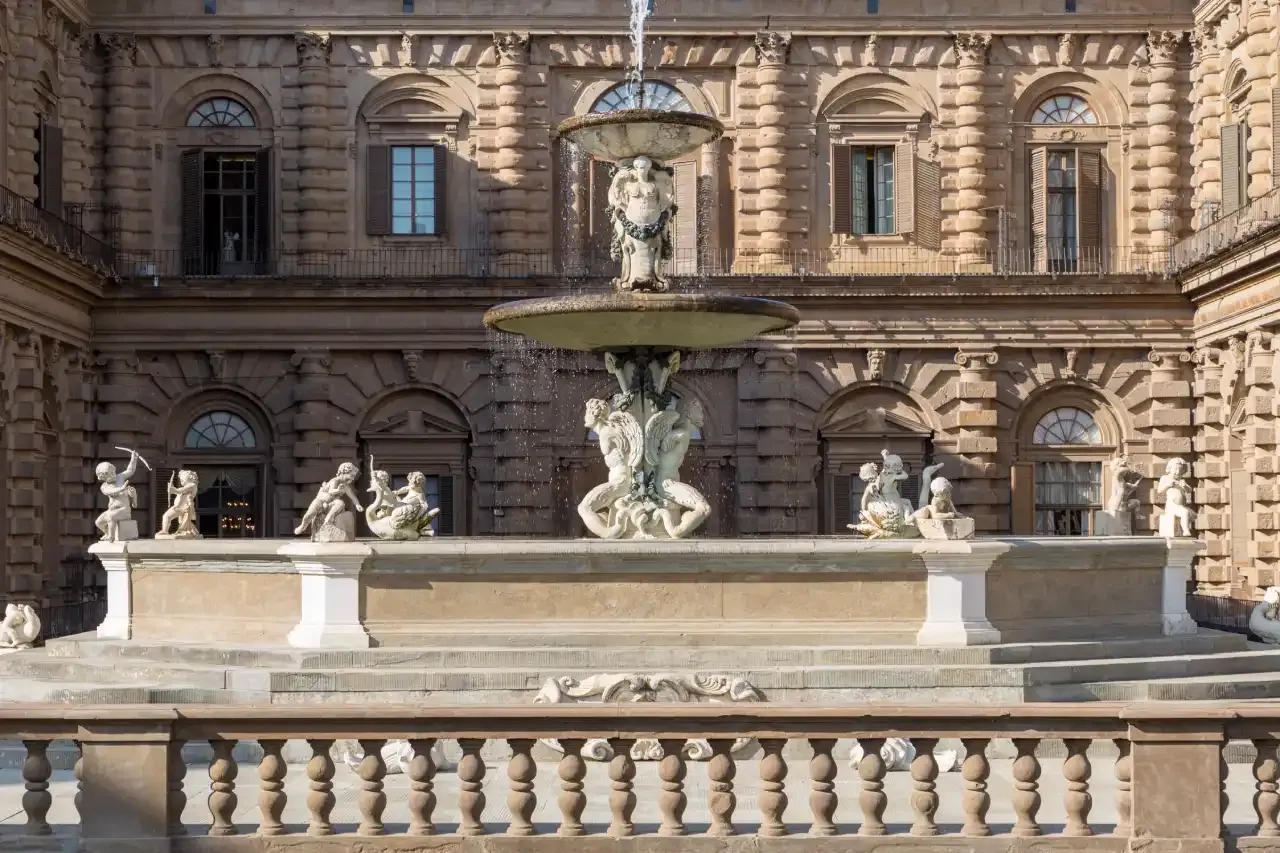
Inspecting the Artichoke Fountain
Visitors view the Artichoke Fountain (Fontana del Carciofo) located on the raised terrace above the central courtyard. The octagonal marble basin and sculpted figures mark the architectural transition between the palace complex and the garden amphitheater.
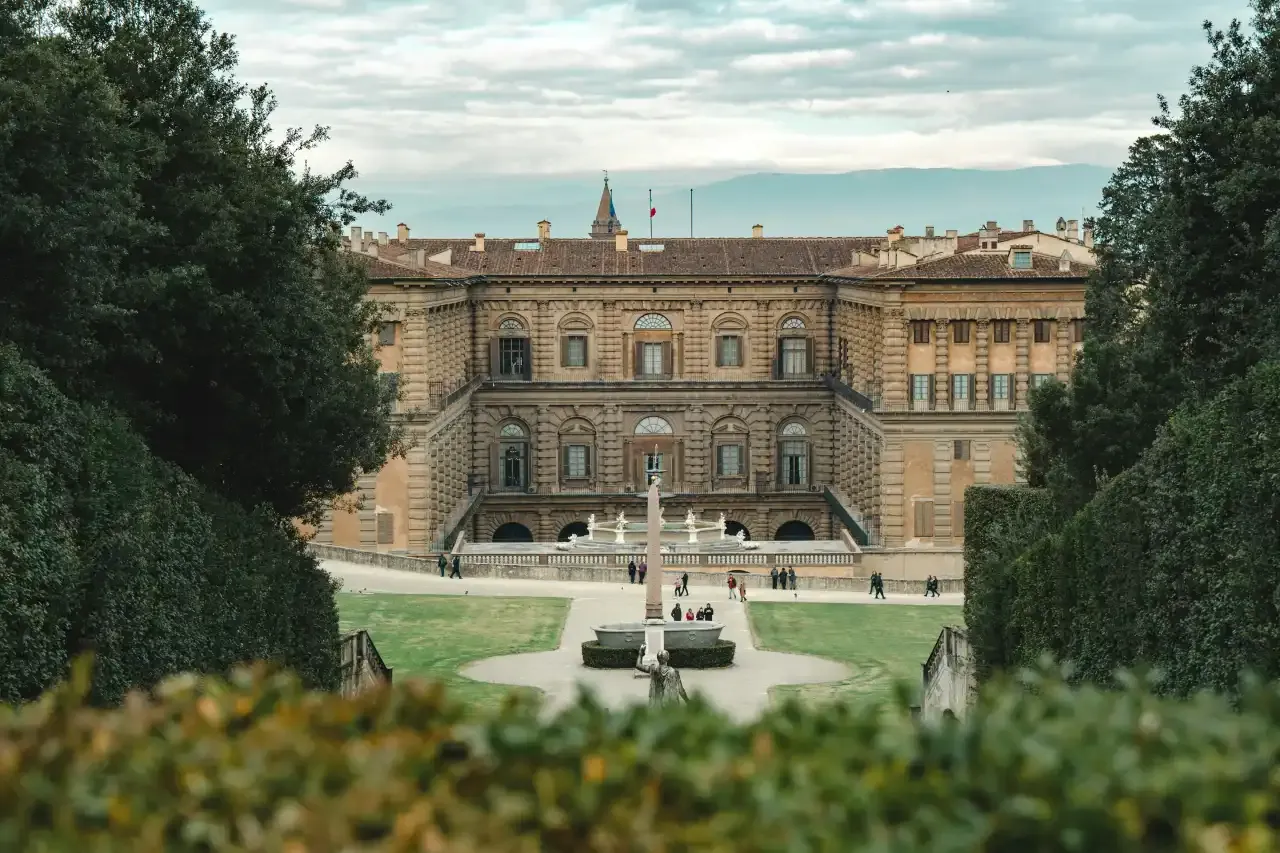
Examining stone architecture and sculptural axes
Guests observe the stone amphitheater, the Neptune Fountain basin, and the Isolotto. Park staff drain the water features and enclose select marble statues in protective wooden casings to prevent frost damage.

Walking the Upper Perimeter to Forte di Belvedere
Guests follow the ascending pathways toward the southern boundary wall adjoining the Forte di Belvedere. This elevated route passes historic bastions and provides direct sightlines across the outer Florentine hillsides.

Photographing panoramic city views
Cold, dry winter air reduces atmospheric haze over the Arno valley. Visitors obtain clear sightlines toward prominent Florence attractions, including the Cathedral and the Palazzo Vecchio, from the Kaffeehaus terrace, the Knight’s Garden, and the upper perimeter along the Forte di Belvedere.

Walking the Viottolone and Evergreen Alleys
The spatial design of the Boboli Gardens in winter relies on evergreen holm oaks, cypress trees, and clipped boxwood hedges. These species maintain their form throughout the cold months, enabling visitors to study the geometric Renaissance layout without foliage loss.

Visiting the Pitti Palace Collections
Visitors access the Pitti Palace directly from the gardens to tour indoor galleries during cold weather or rainfall. The Palatine Gallery houses works by Raphael, Titian, and Rubens beneath frescoed ceilings. Entry requires a separate palace ticket or a combined pass.
Complete the tour by visiting the Pitti Palace
Practical considerations for winter visits
Planning a visit to the Boboli Gardens in winter requires accounting for shortened daylight, weather conditions, and seasonal conservation measures:
- Compressed operating hours: The gardens close at 16:30 from November through February, with final entry permitted at 15:30. Visitors must schedule morning or midday arrivals to navigate the hillside grounds before security personnel clear the upper terraces thirty minutes before closure.
- Precipitation and ground conditions: Rain softens the unpaved dirt and packed gravel pathways. Steep inclines connecting the amphitheater to the Forte di Belvedere become slick in wet weather, requiring footwear with rubber traction.
- Statue protection and inactive water features: Maintenance crews drain outdoor fountain basins, including the Neptune and Isolotto features, to prevent freeze fractures. Staff also enclose vulnerable freestanding marble statues in protective wooden boxes through early spring.
- Midday scheduling and weather contingencies: Temperatures reach their peak between 11:00 and 14:00, making this window the most practical time for walking the grounds. In persistent rain, travelers combine the outdoor grounds with the heated indoor collections of the Pitti Palace, including the Palatine Gallery and the Treasury of the Grand Dukes.